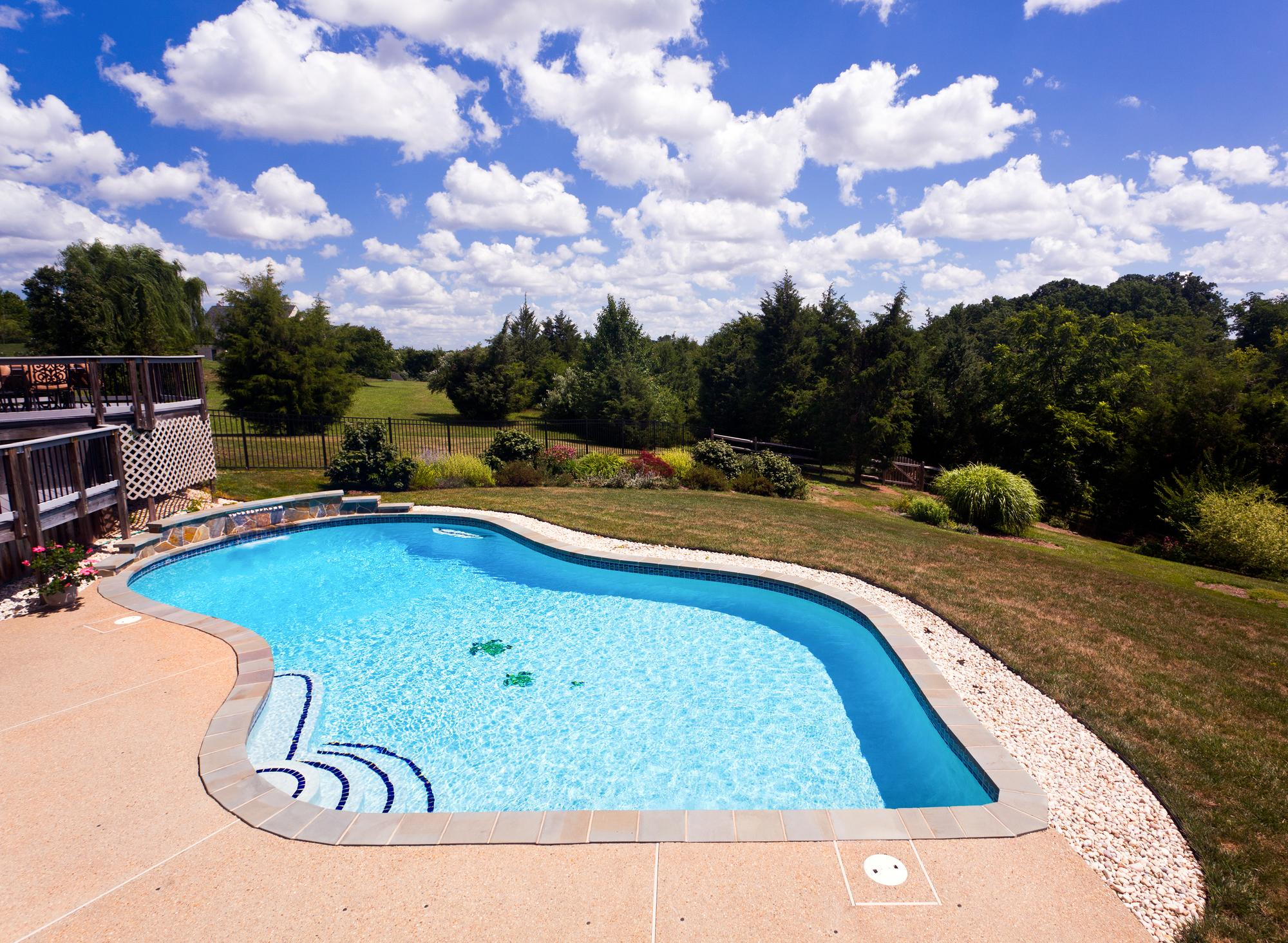
📌 Key Takeaway: You can move from a 9-to-5 job into pool route ownership with a clear plan: learn the business while employed, line up financing before you quit, and time your resignation so your last paycheck overlaps with your first route revenue.
How to Transition from a 9-to-5 Job to Pool Route Ownership
Pool route ownership gives you a direct path out of wage work and into a business that produces revenue from day one. You are not building demand from scratch or waiting for customers to find you. You are taking over a service business with recurring work already in motion.
That opportunity still requires discipline. A rushed exit from a salaried job creates stress, cash-flow pressure, and bad decisions. A planned transition does the opposite. It gives you time to learn the work, prepare your finances, and start strong.
At Superior Pool Routes, we have guided buyers through this process since 2004. The people who handle the transition well do not rely on luck. They prepare, they ask questions, and they move in sequence.
One part of that preparation is understanding health and safety on the job. The CDC notes that Cryptosporidium remains the leading cause of treated-water outbreaks, and operators who keep documented chlorine logs reduce liability exposure. That is why recordkeeping matters from the first day, not after a problem appears. See the CDC guidance here: healthy swimming, dated December 31, 2019.
Here is a realistic timeline for making the switch.
Phase 1: Research and Decision
Do the research before you resign. Your paycheck is still coming in, which makes this the safest time to learn whether pool service fits your goals and your lifestyle.
Learn the Business
Pool service is hands-on work. You will spend time in the sun, carry equipment, test water, and handle chemicals on a regular schedule. That is the job. Some people like the independence and physical pace. Others decide quickly that they want something else.
Spend evenings and weekends getting a real look at the work. Watch service walkthroughs, read practical discussions from working technicians, and study basic chemistry so the terminology is familiar before you start. If possible, shadow a technician for a day. Seeing a route in motion is better than guessing about it.
A simple example makes the point: one buyer can spend months assuming pool work is “just cleaning,” then ride along for a day and realize the real challenge is speed, consistency, and organization. The pools themselves are only part of the job. The route only works when the owner can service each stop efficiently and keep the whole day on schedule.
Good operators also learn the chemistry side early. Clear logs, consistent chlorine levels, and routine testing protect the customer and protect you. That matters because a pool route is not just labor; it is a recurring service business with real responsibility attached to every visit.
Evaluate the Financial Opportunity
The next step is to compare the route to your current income in practical terms. Look at the purchase price, the equipment you already own, the vehicle you will use, and the revenue you expect from the route itself. Then subtract the real operating costs: chemicals, fuel, insurance, maintenance, and anything else you must cover to keep the business moving.
A spreadsheet helps here. Compare your after-tax W-2 income to projected net route income, and include self-employed health insurance in the calculation. That cost matters, and people often overlook it when they are focused only on gross revenue.
The goal is not to convince yourself with vague optimism. The goal is to know whether the numbers make sense before you leave a stable job.
Talk to Your Family
This decision affects everyone in the household, not just you. If you have a spouse, partner, or dependents, talk honestly about the transition period, the schedule change, and the risk involved in leaving salaried work.
The conversation should also cover the upside. Pool route ownership can create more control over your time and more room for income growth. But that only matters if the people around you understand the plan and support it.
Visit How It Works to understand the buying process before moving on.
Phase 2: Financial Preparation
Once you know the business is a fit, put the money side in order while you still have steady income.
Save Your Deposit and Startup Capital
At Superior Pool Routes, you can reserve a route with a $500 deposit. That is only part of the picture. You still need funds for the full purchase, basic equipment, a vehicle if you do not already have one, and a separate emergency reserve for personal living expenses.
That reserve is not optional. Even when the route starts producing revenue quickly, you still want room for a truck repair, a delayed payment, or a personal emergency. A cash cushion keeps a temporary problem from turning into a crisis.
Handle Logistics While You Still Have a Paycheck
Some startup tasks are easier to complete before you leave your job. Form your business entity, open a dedicated bank account, and get the insurance process moving. Check your city and county rules for licensing, because service businesses often have local requirements. If your current vehicle will work, start setting it up for chemicals and equipment.
Do not wait until after you resign to handle these basics. Insurance underwriting can take longer than expected, and banks move more smoothly when you already know exactly what business structure you are using.
Explore Financing If Needed
If you are not paying cash, secure financing while you are still W-2 employed. Lenders usually prefer stable income, and it becomes harder to borrow once you are self-employed.
That is why timing matters. Financing, like the route purchase itself, is easier when you prepare early. See our guide on pool route financing options for more detail.
Phase 3: Purchase Your Route
This phase can overlap with financial preparation. In practice, many buyers are reviewing options, planning their budget, and getting ready to buy at the same time.
Choose Your Route
Choose a route that fits your budget, your location, and your daily capacity. The right starting point is the one you can actually service well. A route that is too large creates stress. A route that fits your schedule gives you control and consistency.
If you are still working full-time, think carefully about how much you can cover once you move into the business full-time. Most single operators can handle a practical daily workload, but the route still needs to match your pace and your comfort level.
Browse options at Pool Routes for Sale.
Place Your Deposit
Once you have chosen the route, place the deposit and lock in the account count and territory. That gives you a clear target and lets the rest of your planning fall into place.
Begin Training
Superior Pool Routes includes training with every route purchase, and this is where many first-time owners gain confidence. Training covers water chemistry, testing procedures, equipment identification, service efficiency, route management, scheduling, and customer communication.
That matters even if you already know how to care for a pool at home. Personal pool care and professional route service are different jobs. One pool in your backyard is manageable. A full day of service demands speed, discipline, and a repeatable process.
Phase 4: The Transition Period
This is the handoff from planning to execution. Your route is moving toward service, and your personal schedule needs to change with it.
Give Notice at Your Job Strategically
Do not resign before the route is ready. First, confirm the purchase is finalized and the loading schedule is set. Make sure your training is complete or nearly complete. Then give notice in a way that lets your last day at work fall just before your first day in the field.
Some buyers try to juggle both jobs for a short stretch. That can work briefly if the schedule is flexible and the route is small. It is not a long-term solution. Route work needs focus, especially at the beginning, when you are learning names, access details, property quirks, and the rhythm of the day.
Leave professionally. A clean exit protects your reputation and keeps relationships intact.
Set Up Your Daily Infrastructure
Before service starts, build the system you will use every day. Load the truck with the right tools, map the route so stops cluster geographically, and organize account information so you can access it quickly. That includes gate codes, key locations, and customer contact details.
Your invoicing system should already be ready. Whether you use pool service software, QuickBooks, or a simpler tracking system, the point is the same: do not improvise after the first day begins. Good organization saves time and prevents mistakes.
Document your chlorine checks, too. The CDC guidance on healthy swimming, dated December 31, 2019, makes the liability point clear. A clean log is not busywork; it is part of running a professional route.
Phase 5: Your First Month as a Full-Time Owner
The first month is about learning the route, not proving perfection. Expect a slower pace at the start and build from there.
Week 1: Learn and Adapt
Your first week will take longer than you think. Every property has small differences, and every pool has its own equipment layout and maintenance needs. A stop you eventually handle in a short visit may take much longer the first time.
That is normal. Focus on being professional, showing up on time, and communicating clearly. If you meet customers in person, make a good first impression and keep it simple.
Week 2: Find Your Rhythm
By the second week, the day should start to feel more predictable. You will know where the trouble spots are, how long different stops take, and where the route can be tightened up. Consistency matters here. Customers notice when service happens on a regular pattern, and that confidence carries over into retention.
Weeks 3–4: Optimize
Once the route is familiar, look for inefficiencies. You may be able to group stops more intelligently, reduce drive time, or identify accounts that take too long because of equipment issues that belong to the homeowner. You may also notice that your chemical ordering pattern needs adjustment.
This is where ownership starts to feel like a business instead of a job. You are no longer just servicing pools. You are refining a system.
For more detail, see your first 30 days as a pool route owner.
Common Concerns and Honest Answers
The same questions come up again and again during a career transition. They are worth answering directly.
"What if I hate it?"
That is a real question, and it is fair to ask it before you make the move. The advantage of pool route ownership is that you are buying a business asset, not just taking a job. If the work is not for you, you still own something with value. That gives you an exit path instead of a dead end.
"What if I lose customers?"
Some turnover is normal in any service business. Superior Pool Routes includes a warranty that replaces lost accounts within the warranty period. That protection helps new owners handle the early transition with more confidence.
"Can I really make enough money?"
A well-managed route in a year-round market can produce strong gross revenue, and many single-truck owners reach a level of income that competes with or exceeds salaried work. The exact result depends on pricing, efficiency, and the market, but the model is built for steady, recurring work.
That is one reason pool routes remain attractive. They are practical businesses. The work is recurring, the service is routine, and the demand does not disappear because of a bad week in the economy.
"What about health insurance?"
This is one of the biggest changes when you leave a job with benefits. As a self-employed owner, you need to arrange your own coverage through the marketplace or a private plan. Build that cost into your budget from the start so it does not surprise you later.
"How long until I feel comfortable?"
Most buyers feel noticeably more comfortable after the first stretch of service. The early days are the steepest part of the learning curve. After that, the process becomes more familiar, the route gets smoother, and the work becomes easier to manage.
A Realistic Timeline
| Week | Milestone |
|---|---|
| 1–4 | Research the industry, learn basics, evaluate finances |
| 4–8 | Save capital, form business entity, get insurance, explore financing |
| 8–12 | Select and purchase route, begin training |
| 12–14 | Complete training, give notice at job, set up truck and systems |
| 14–16 | Accounts begin loading, first day of service |
| 16–20 | Full-time pool route owner, building efficiency and confidence |
| 20–26 | Optimized route, considering adding accounts |
That timeline is realistic for someone who plans ahead and follows the process in order. It is fast compared with starting a business from scratch, and it gives you a clear path from employed worker to route owner without unnecessary risk.
Take the First Step
You do not need to quit your job today. Start by gathering information and understanding the business you are considering. Ask direct questions, look at the numbers, and make the decision with a full picture in mind.
If you are ready to talk through your options, contact us and start the conversation. Since 2004, we have helped thousands of people make this transition with a plan that makes sense.
Check our FAQ page for answers to common questions from first-time buyers.
Income projections are estimates based on typical route sizes and market conditions. Individual results vary. Pricing may vary.